Choosing a Roof Replacement Contractor: What Homeowners Need to Know
Replacing a roof is one of the larger investments a homeowner can make. It's a project that touches the structure's integrity, energy efficiency, and curb appeal all at once. Because the stakes are high, finding the right person for the job matters. But how do you separate a skilled professional from someone who just happens to own a ladder and a hammer?
This article breaks down what to look for when hiring a roof replacement contractor, what the process involves, and where to focus your attention so you end up with a roof that lasts.
Understanding the Scope of a Full Roof Replacement
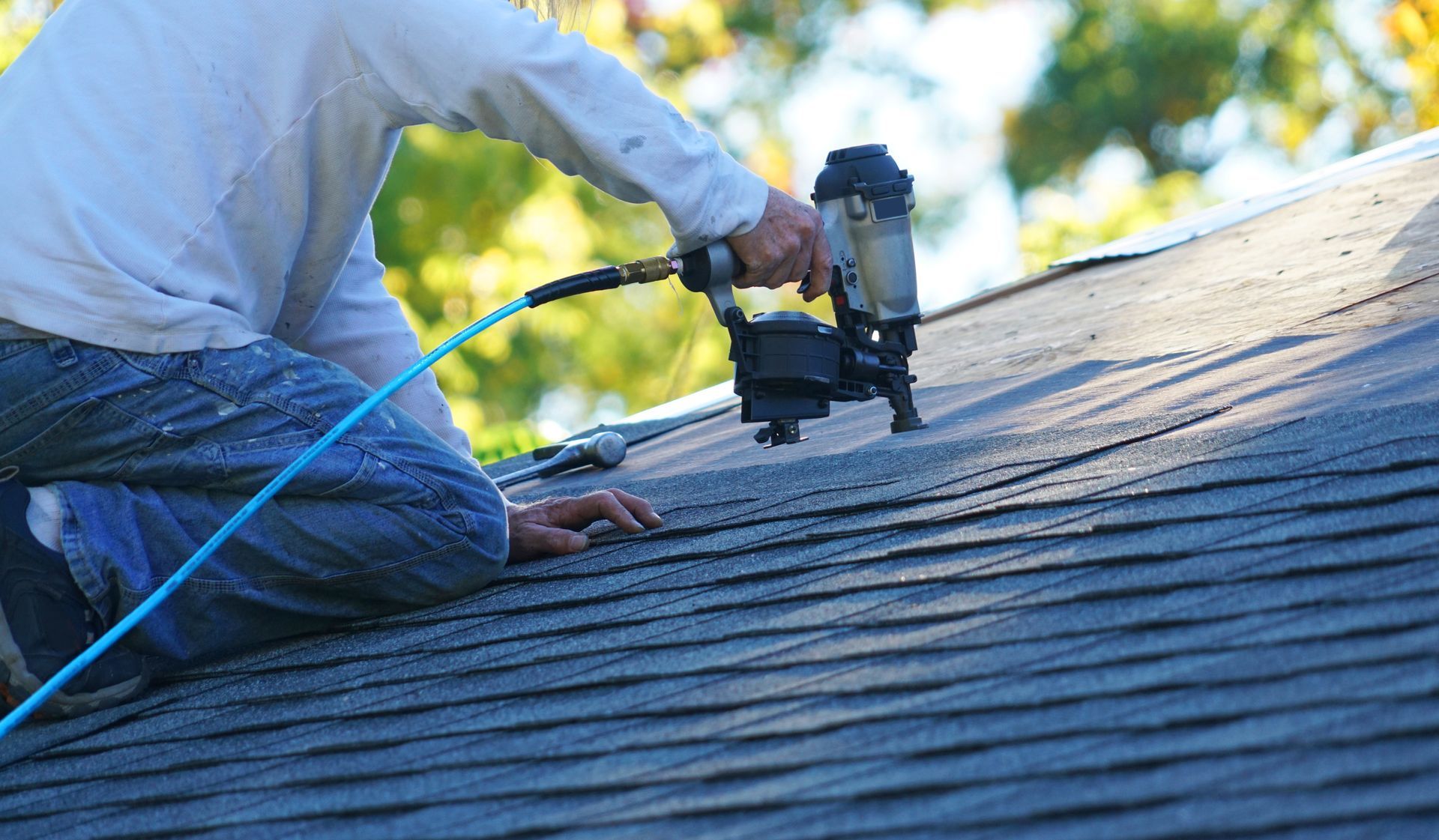
A roof replacement is not the same as a repair. Repairs patch a specific problem area, like a leak or a damaged shingle. A replacement means stripping off the existing roof covering, inspecting the underlying deck and structure, and installing a new system from the deck up. This includes underlayment, flashing, ventilation, and the final roofing material.
Because the entire surface is removed, it is the right time to address any rot, mold, or structural weakness that has been hidden for years. It is also the moment to improve insulation or install better ventilation. A good contractor will point these things out. A bad one will cover them up.
Qualities to Look For in a Roof Replacement Contractor
Not every company that advertises roofing services has the experience to handle a full replacement. Here are the key traits to prioritize when evaluating candidates.
Proper Licensing and Insurance
This is non-negotiable. A legitimate contractor carries both general liability insurance and workers' compensation coverage. Roofing is physically dangerous work, and if an uninsured worker gets hurt on your property, you could be held liable. Ask for proof of insurance and verify that the policy is current. Also check that the contractor holds any required state or local licenses for roofing work in your area.
Local Experience
Roofing practices vary by climate. A crew used to working in dry, mild conditions may not know how to handle the heavy rain, humidity, or occasional storms common in northern Florida. Local contractors understand regional building codes, typical weather patterns, and the best materials for the local environment. They also have relationships with local suppliers, which can help with material availability and pricing.
Written Estimates and Contracts
A reliable contractor provides a detailed written estimate before work begins. The estimate should list the materials, labor, timeline, and payment schedule. The contract should also specify what happens if unexpected damage is found during the tear-off, such as rotted decking. A vague quote or a handshake deal is a red flag.
The Roof Replacement Process Step by Step
Knowing the general sequence of a replacement helps you track progress and ask informed questions. While every job has its own specifics, most full replacements follow this order.
- Inspection and tear-off: The crew inspects the existing roof and then removes all old shingles or roofing material down to the deck.
- Deck repair and underlayment: Any damaged plywood or planks are replaced. A water-resistant underlayment is installed over the entire deck.
- Flashing and drip edge: Metal flashing is installed around chimneys, vents, and valleys. A drip edge is added along the eaves to direct water away from the fascia.
- New roofing material: The chosen shingles, metal panels, or flat roof system are installed according to the manufacturer's specifications.
- Ventilation and ridge cap: Proper attic ventilation is ensured, and ridge vents or caps are installed to allow hot air to escape.
- Cleanup and final inspection: The site is cleaned of debris, nails, and old materials. A final walk-through is done to confirm the work meets the contract.
When you hire a roof replacement contractor, this sequence should be explained in the proposal. If the contractor cannot walk you through the steps clearly, that is a sign of inexperience or poor communication.
Materials Matter: Choosing What Goes on Top
The material you choose affects the roof's lifespan, appearance, and maintenance needs. Here is a quick overview of common options.
Asphalt Shingles
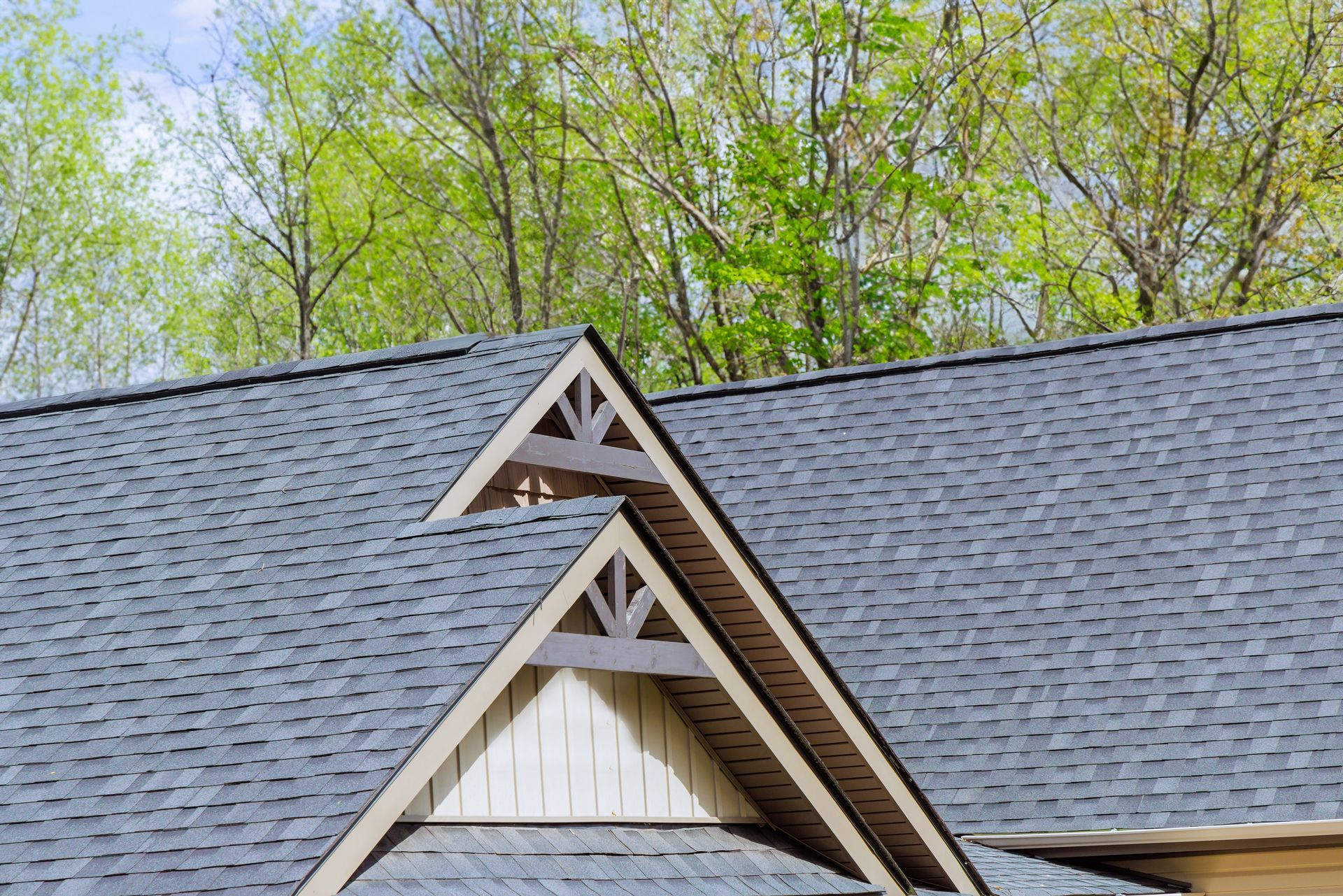
Asphalt shingles, often called composition shingles, are the most common residential roofing material. They are affordable, come in many colors, and are relatively easy to install and repair. Their lifespan typically ranges from 20 to 30 years depending on the quality of the shingle and local weather conditions.
Metal Roofing
Metal panels, usually made of steel or aluminum, are durable and fire-resistant. They shed water well and are often used on homes with steep slopes or in areas prone to high winds. Metal roofs can last 40 to 50 years, but they require proper installation to avoid oil-canning or denting.
Flat Roof Systems
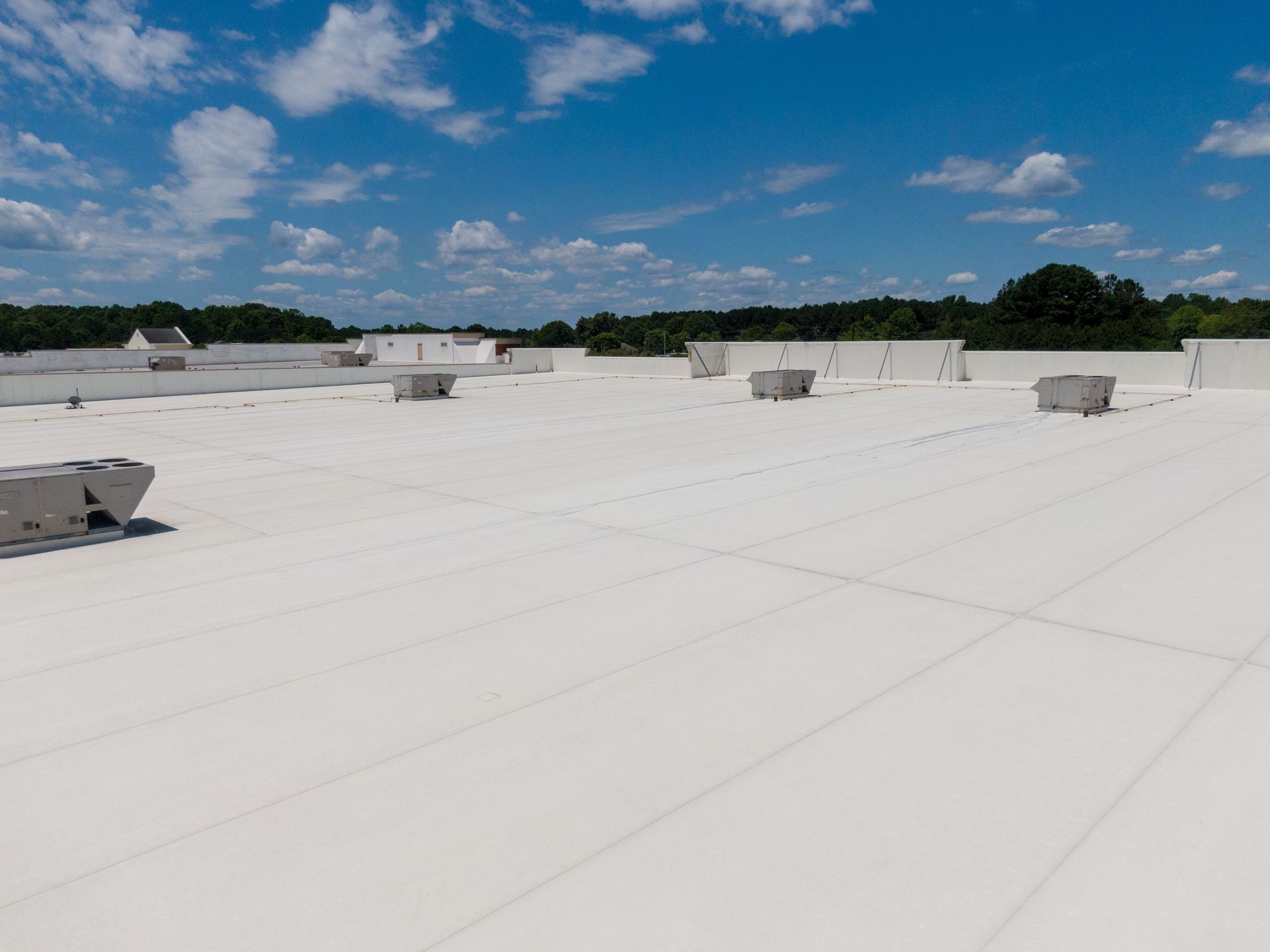
Flat or low-slope roofs are common on commercial buildings and some modern homes. These systems use membranes such as TPO, EPDM, or modified bitumen. They require careful waterproofing and regular inspection to prevent ponding water and leaks. A contractor experienced with flat roof systems will know how to handle drainage and flashing details.
Leak Detection and Pre-Replacement Inspections
Before you commit to a full replacement, a thorough roof inspection can reveal whether replacement is actually necessary or if a major repair would suffice. A good inspector looks for signs of water damage in the attic, soft spots on the deck, damaged flashing, and granule loss on shingles. They also check for hidden problems like mold or rotten wood.
If you already know you need a replacement, the inspection still matters. It gives the contractor a baseline for what to expect and helps avoid surprises during the tear-off. Some contractors offer free inspections as part of their estimate process.
Storm Damage and Urgent Repairs
In regions like northern Florida, storms can cause significant roof damage in a short time. High winds can lift shingles, rain can saturate underlayment, and falling branches can puncture the deck. After a storm, it is wise to have a professional inspection even if you do not see obvious leaks. Sometimes damage is hidden until the next heavy rain.
If storm damage is extensive, a full replacement may be the most practical option rather than patching a compromised roof. A contractor who handles storm damage restoration will be familiar with insurance claim processes and can help document the damage for your adjuster.
Warranty and Aftercare
A new roof is a long-term investment. Most quality materials come with a manufacturer's warranty that covers defects in the product. The contractor should also offer a workmanship warranty that covers installation errors. Make sure you understand what each warranty covers, how long it lasts, and whether it is transferable if you sell the home.
After the job is done, regular maintenance extends the life of the roof. Simple tasks like keeping gutters clean, trimming overhanging branches, and inspecting after storms can prevent small problems from becoming expensive repairs.
Red Flags to Watch For
Not every contractor is trustworthy. Be wary of anyone who demands full payment upfront, offers a price that seems too good to be true, or pressures you to sign a contract immediately. Also avoid contractors who cannot provide local references or who refuse to put the scope of work in writing.
Another common red flag is a contractor who suggests covering up problems rather than fixing them. For example, a roofer who says they can install new shingles over old ones without inspecting the deck may be cutting corners. That approach can trap moisture and lead to faster deterioration.
Making Your Final Decision
When you compare bids, look beyond the bottom line. A low bid may mean cheaper materials, less experienced labor, or skipped steps. A higher bid might include better materials, more thorough preparation, and a longer warranty. Ask each candidate to explain what their price includes and what it does not.
Trust your instincts. If a contractor is difficult to reach, vague about details, or unwilling to answer your questions, that behavior is unlikely to improve once the job starts. A professional communicates clearly and respects your concerns.
Final Thoughts
A roof replacement is a big job, but with the right preparation and the right contractor, it can go smoothly. Focus on finding a contractor who is licensed, insured, and experienced in your area. Ask for references, read the contract carefully, and make sure you understand the materials being used. Whether you are dealing with storm damage or just planning ahead, taking the time to choose wisely pays off in the long run.